
The Race Ends — Then What
A racing greyhound’s competitive career is short. Most dogs begin racing at around 15 months and retire by the age of four or five, though some continue longer if they remain sound and competitive. When a dog is retired from racing — whether through declining performance, injury, age, or the trainer’s decision — it transitions from a working athlete to a pet, a breeding animal, or in some cases a dog in need of a new home. How the industry manages that transition has become one of the defining issues in the debate over greyhound racing’s future.
The GBGB and the wider industry have invested significantly in retirement and rehoming infrastructure over the past decade. The Greyhound Retirement Scheme, the Greyhound Trust, and a network of independent rescue organisations work to find homes for retired racers. The statistics show progress — the proportion of racing greyhounds successfully rehomed has increased year on year. But the question of whether the system is sufficient for every dog that leaves the racing programme remains contested by welfare campaigners who argue that gaps persist.
For punters, understanding the retirement landscape is not directly connected to placing better bets. But it is connected to the sport they fund through their wagering. The bookmaker levy, the track revenue, the betting duty — all of it flows through an industry that has accepted responsibility for the dogs it produces and races. Knowing how that responsibility is discharged matters, because the sport’s social licence to operate depends on it.
The Greyhound Retirement Scheme
The Greyhound Retirement Scheme is funded by the GBGB and administered through the racing industry’s welfare budget. The scheme requires trainers to declare the destination of every dog that leaves their kennel — whether it is rehomed directly, transferred to a rescue organisation, returned to its owner, retained by the trainer, or euthanised on veterinary advice. This tracking obligation was introduced to close the accountability gap that historically allowed dogs to leave the racing system without any record of what happened to them.
Under the scheme, trainers bear the primary responsibility for ensuring their retired dogs are placed appropriately. The GBGB’s rules require that dogs are not abandoned or passed to individuals or organisations that cannot provide adequate care. Trainers who fail to comply with these requirements face disciplinary action, including fines and suspension from licensed racing.
The scheme also provides financial support for rehoming. A contribution toward the cost of neutering, vaccinating, and health-checking retired dogs is available through the industry’s welfare fund, reducing the financial barrier for trainers who might otherwise be reluctant to invest in the rehoming process. This funding comes from the British Greyhound Racing Fund, which collects a levy from licensed bookmakers based on their greyhound betting turnover.
The system is not perfect. Welfare organisations have noted that tracking relies on self-reporting by trainers, and that the accuracy of destination data depends on honest disclosure. The GBGB conducts audits and spot checks, but the scale of the operation — thousands of dogs leaving racing each year — makes comprehensive verification difficult. The improvement over previous decades, when no tracking existed at all, is substantial. Whether it is sufficient is the ongoing argument.
The Greyhound Trust and Independent Charities
The Greyhound Trust is the largest dedicated greyhound rehoming charity in the UK. It operates a network of branches across England that take in retired racing greyhounds, assess their temperament and health, and match them with adoptive families. The Trust rehomes several thousand dogs annually and provides post-adoption support to help new owners adjust to the specific needs of a retired racer.
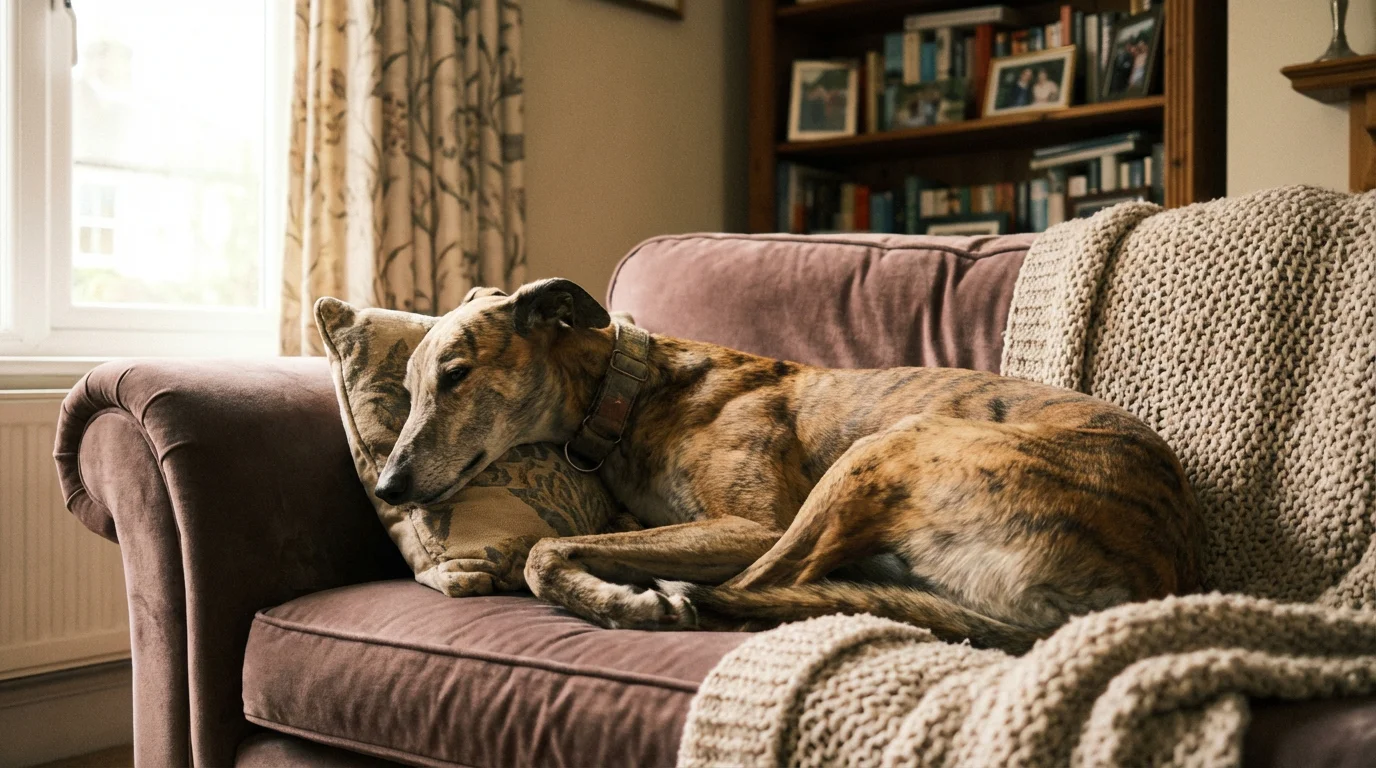
Greyhounds make distinctive pets. They are typically calm, gentle, and surprisingly low-energy despite their racing background. Most retired racers adapt well to domestic life, though they may need training to adjust to household environments — stairs, glass doors, cats, and small dogs are all novel experiences for an animal that has spent its life in a kennel and on a track. The Greyhound Trust’s branch volunteers provide guidance on this transition, and the charity’s website publishes detailed adoption guides for prospective owners.
Beyond the Greyhound Trust, a network of independent rescue organisations operates across the UK. Some specialise in greyhounds from specific tracks or regions. Others focus on dogs with particular needs — older dogs, dogs with injuries, dogs that have been harder to place through the main channels. These independent organisations fill gaps that the larger scheme doesn’t cover, and they are funded almost entirely by donations and volunteer labour rather than by the racing industry.
The relationship between the industry-funded retirement infrastructure and the independent rescue sector is sometimes collaborative and sometimes tense. Industry bodies point to the Greyhound Trust and the Retirement Scheme as evidence that the sport manages its responsibilities. Independent rescues argue that they absorb dogs the industry has failed to place and that the financial burden falls disproportionately on the charitable sector rather than on the commercial interests that profit from racing.
Rehoming Statistics and Transparency
The GBGB publishes annual retirement and rehoming data, including the number of dogs that left racing, the number successfully rehomed, and the number euthanised. The 2024 data showed continued improvement in rehoming rates, with the proportion of retired dogs finding homes through official channels reaching its highest recorded level. The number of dogs euthanised for reasons other than terminal illness or severe injury has declined steadily.
These statistics are presented by the industry as evidence of a functioning welfare system. Critics note that the data relies on trainer self-reporting and that the category definitions — particularly the distinction between veterinary euthanasia and other outcomes — leave room for ambiguity. The push for greater transparency has led the GBGB to publish more detailed breakdowns and to invite external scrutiny of its data collection methods, though full independent auditing remains a campaigner demand that has not been fully met.
For context, the overall numbers are significant. Several thousand dogs leave UK racing each year. The vast majority are accounted for through the tracking system — rehomed, retained by owners, or transferred to rescue organisations. The proportion that falls through the gaps is small in percentage terms but represents real animals whose outcomes are uncertain. The political sensitivity of this issue means that any gap, however small, provides ammunition for those who argue the sport cannot adequately safeguard the dogs it uses.
The Dogs Deserve the Honest Conversation
Greyhound retirement is not a side issue for the racing industry. It is a central test of the sport’s claim that it can operate responsibly. The investment in rehoming infrastructure is genuine and has produced measurable results. The Greyhound Trust and independent charities do essential work placing retired racers in homes where they thrive. The tracking requirements introduced by the GBGB have closed a historical accountability gap that was the sport’s most damaging vulnerability.
Whether these measures are sufficient depends on where you draw the line. If you believe the industry must account for every dog to the standard of a charitable rescue operation, gaps remain. If you measure progress against where the sport was a decade ago, the improvement is substantial. Both assessments are honest. The debate will continue as long as the sport does, and its outcome will shape the regulatory and political environment in which greyhound racing and greyhound betting operate.